The traditional flat roof
Built-up roofing (tar and gravel)
Built-up roofing, or BUR, is layers of reinforcing felt set in hot or cold bitumen and usually topped with gravel. Many older Ontario buildings still have one, and it can still be a sound choice.
- Multi-layer
- Gravel surface
- Proven on older buildings
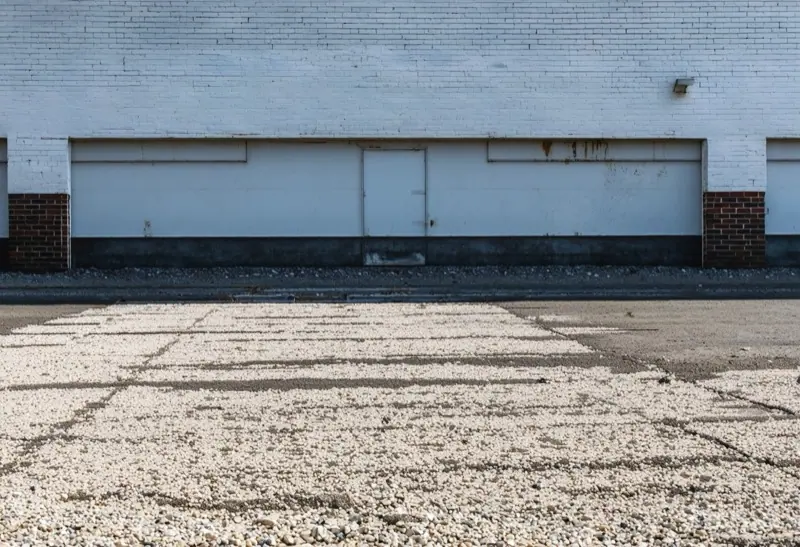
What BUR is
A built-up roof is made on the roof itself. Alternating layers of felt (often called plies) are laid in bitumen to create a membrane three or four layers thick. A surfacing of gravel, mineral cap sheet or reflective coating protects the top layer from sun and foot traffic.
Well-built BUR commonly lasts 20 to 30 years. Replacement is priced from $9 per sq ft, though the final number depends heavily on how many layers must be torn off and how deep the insulation goes.
How it is installed today
The old way was hot-mopped asphalt, applied from a kettle on the ground or the roof. That is still used, but many installers now prefer cold-applied adhesives for BUR or hybrid systems that use a mod bit cap over built-up base plies. Cold application avoids kettle fumes and open-flame handling, which matters on a house or a building with tenants below.
Gravel holds the roof down against wind, shields it from UV and adds fire resistance. It also adds a lot of weight, so before choosing it for a replacement you need to be sure the structure can carry it. Often a gravel-free cap sheet does the same job at lower weight.
Strengths and weaknesses
Redundant layers
With several plies, one small defect rarely leaks on its own. That redundancy is the main reason the system survived for decades.
Gravel protects the surface
The stone shields the bitumen from UV and foot traffic, and it supports ballast for wind.
Familiar repair methods
Many roofers know how to patch BUR, and patches blend into existing layers.
Heavy and messy
Removing gravel and old layers is slow, dusty work, and it adds to disposal cost.
Hard to find a leak under gravel
Stones hide splits and blisters. A leak may be far from where the stain shows up inside, so finding it takes time.
Cracks at cold temperatures
Older asphalt gets brittle. Alligator cracking and splits at flashings are typical late-life signs. See cracks and alligatoring.
Repair, recoat or replace?
Check for trapped water
A moisture survey or core samples show whether the insulation and lower plies are dry. Wet material means patching will not hold.
Repair local damage
Blisters, splits and failed flashings are cut out, dried and re-plied. Gravel is raked back and replaced afterwards.
Consider a coating
If the roof is dry and the surface is worn, a reflective coating can extend how long the roof lasts. See roof coating.
Replace when it is saturated
If insulation is soaked or the roof leaks in several places, the economic answer is usually a new system, often with a tapered insulation layer to fix ponding.
BUR pricing
| Item | Starting price |
|---|---|
| Built-up (tar and gravel) roof replacement | from $9 per sq ft |
| Roof coating (restoration) | from $3 per sq ft |
| Small leak repair (patch, seam or puncture) | from $350 per repair |
Starting prices in CAD before 13% HST, based on typical Ontario contractor rates (mostly Toronto and the GTA). The final price depends on roof size, access, the layers to remove, the membrane, drains and flashings, and is confirmed in your written quote.
Tar and gravel questions
Do I need to remove all the gravel for a repair?
Only around the repair area. The stone is raked back, the patch is built, and the gravel goes back on. A full replacement removes it all.
Can I replace a tar and gravel roof with a different material?
Yes. After tear-off, EPDM, TPO, PVC or mod bit can all go on, as long as the deck and insulation are sound. Many owners switch to avoid the weight and the mess of gravel.
Why does my gravel roof leak only after heavy rain?
Often a drain is partly blocked or the roof has a low spot, so water backs up to a flashing or seam that is fine in light rain. See clogged drains.
Leak, damage or an old flat roof?
Send a few details and photos. We reply by email with next steps and a written quote.